
Start with where the textile will be used. A hotel guest room, a restaurant table and a retail display create different requirements for fit, appearance and care. Choosing the range first helps you ask the right specification questions next.
Bed linen begins with fit
For sheets, record mattress width, length and depth, including any topper that affects fit. For pillowcases and duvet covers, provide the dimensions of the pillow or duvet they must accommodate. Do not rely on size names alone, because naming conventions differ between markets.
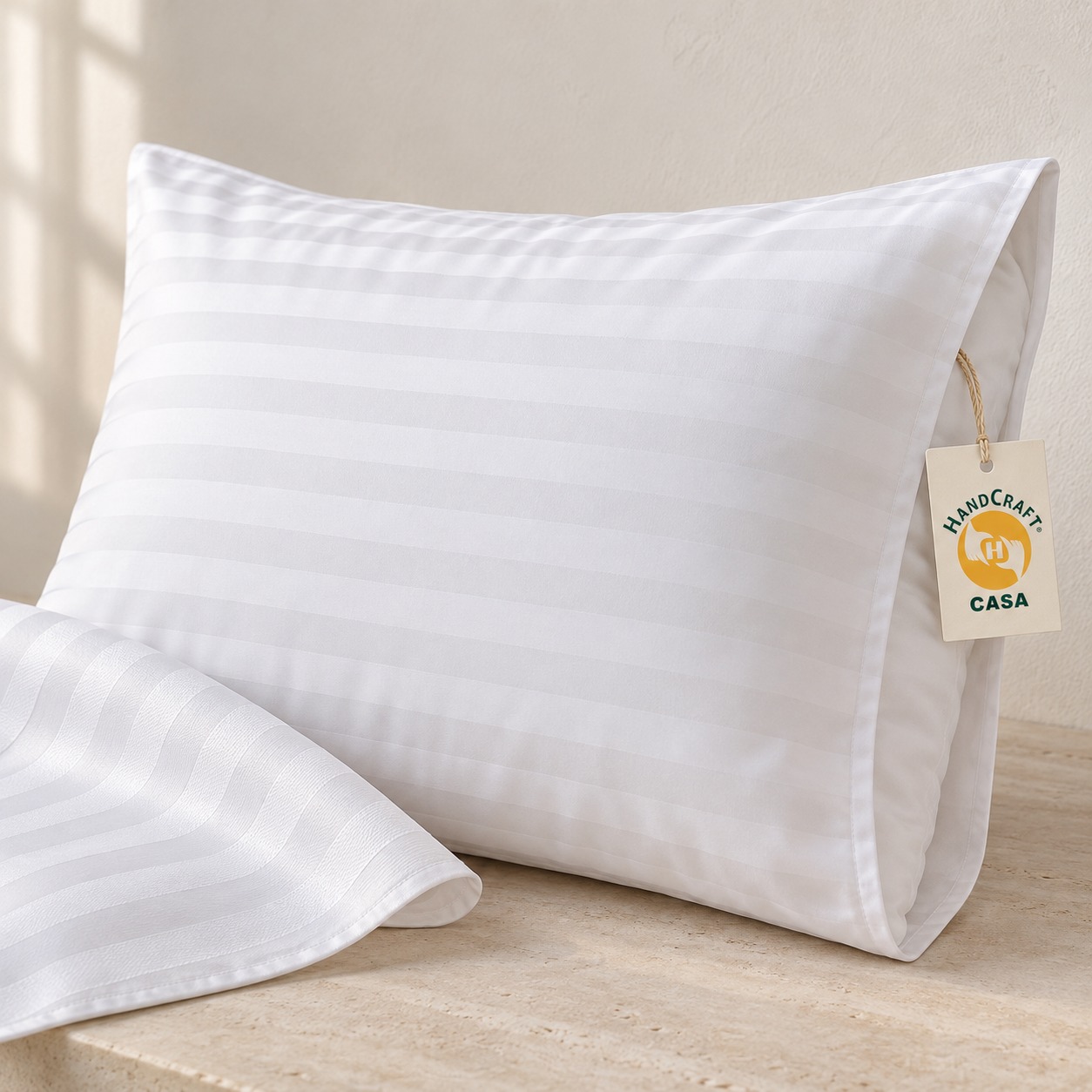
Percale generally offers a crisp feel; sateen generally has a smoother surface appearance. These are construction choices, and the actual fibre content and finish still need to be confirmed. Thread count describes one part of a fabric and should not be used as the only quality measure.
Hotel bedding may prioritise consistent fit and suitability for the intended laundry process. Printed bedding for resale also needs decisions about design, colour and the pieces included in a set. Keep those buyer needs distinct.
Bath linen needs more than a weight figure
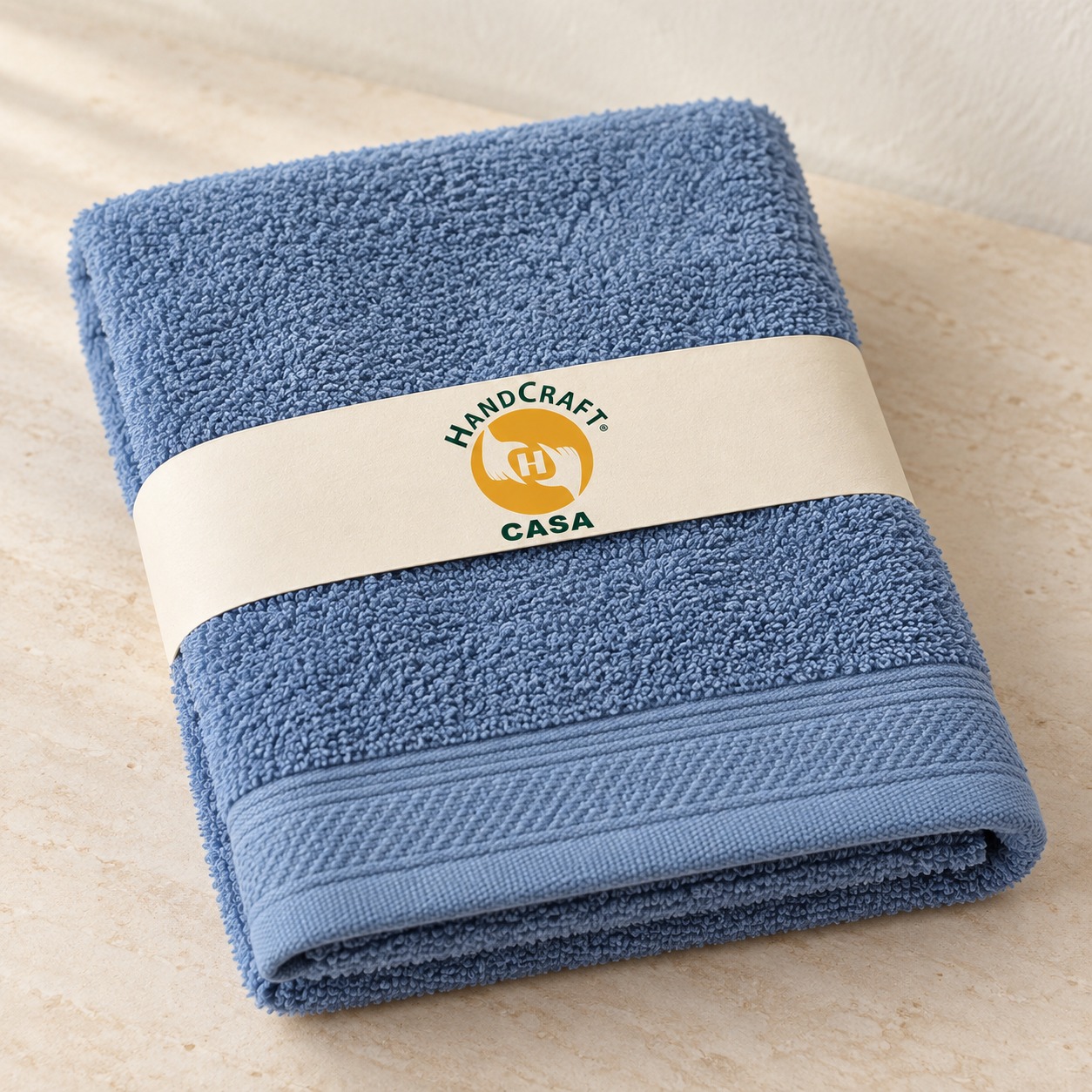
Compare the intended use, finished dimensions, construction and feel of towels. GSM means grams per square metre and describes fabric weight per unit area. It does not describe every aspect of a towel’s quality or suitability.
Tell us if the requirement is for guest rooms, a pool area, a salon or another setting. Discuss the care process and any essential performance requirement rather than assuming all towels can be used and washed in the same way. For bathrobes, include the required sizing and style.
Table and kitchen linen should fit the task
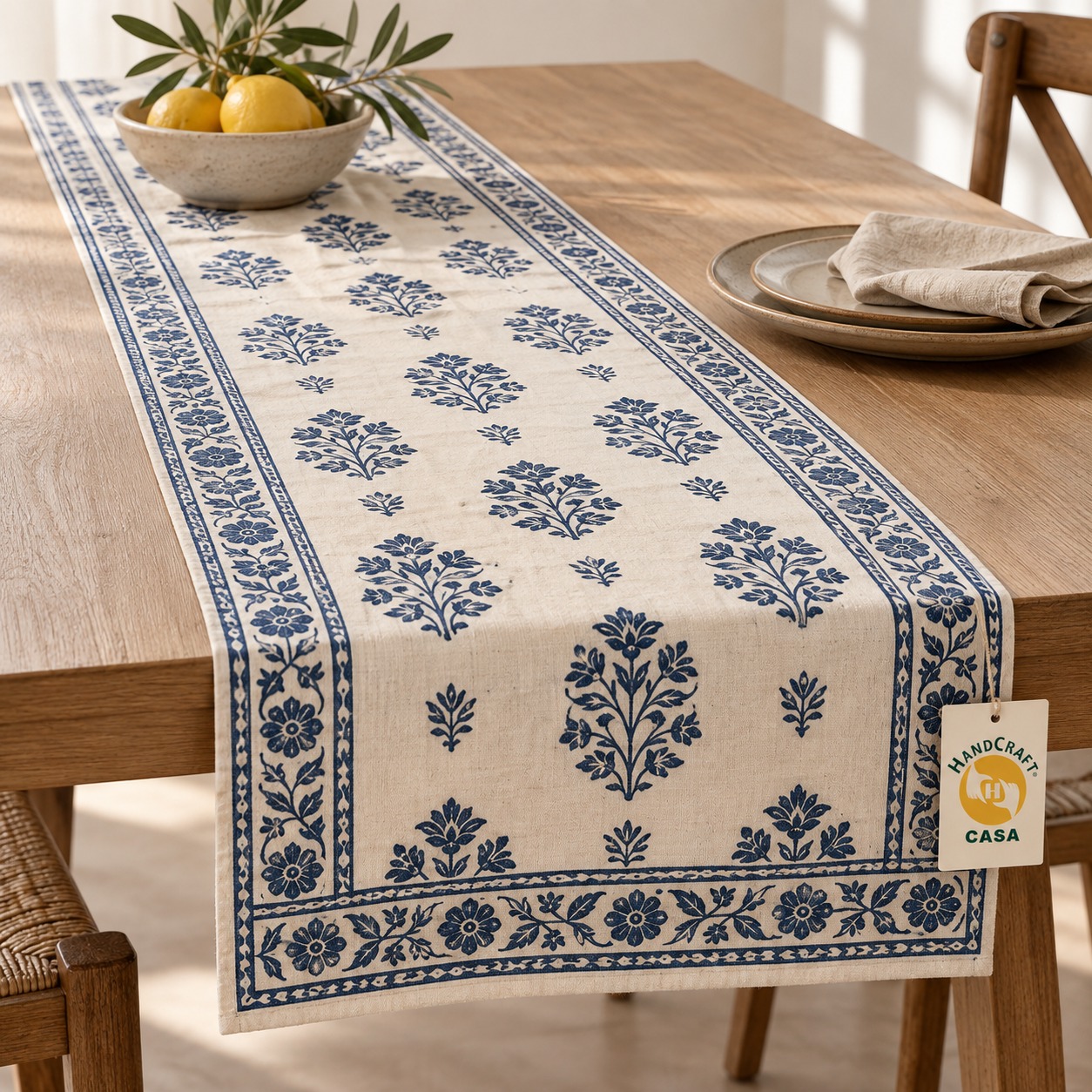
Measure the table and state the desired drop for a tablecloth. For runners and placemats, describe the arrangement and the surface they will be used on. Napkins, tea towels and aprons have different uses, so identify the function before choosing a decorative treatment.
“Table linen” is a product category, not a promise of flax-linen fibre content. Confirm composition, dimensions, finish and care requirements for the actual item. Decorative dining textiles for home retail may need a different balance of design and care from frequently laundered restaurant linen.
Cushion covers need a complete view
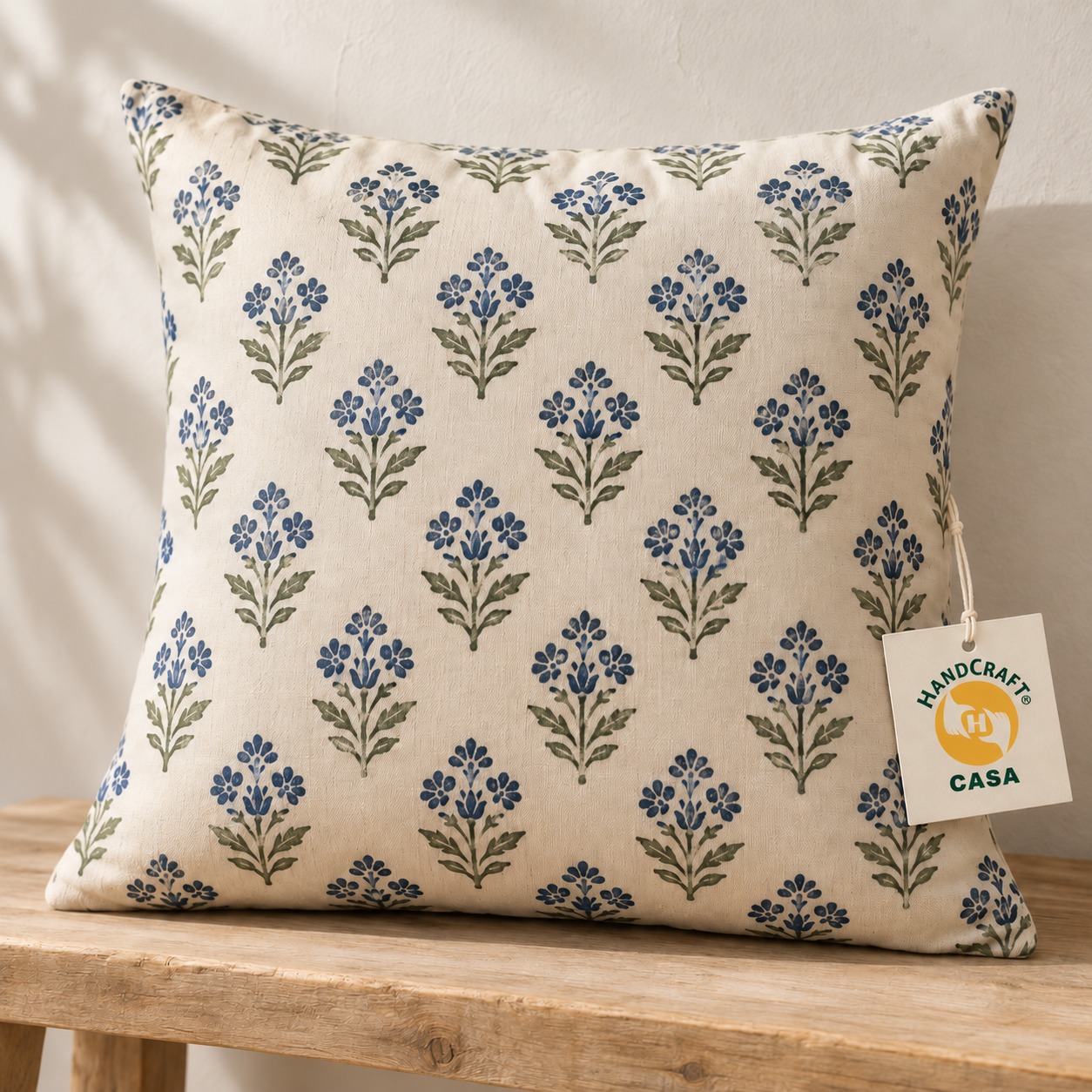
State the insert size and the intended finished fit. Agree the design on the front, the reverse, the closure and any edge treatment. A front photograph can help choose a style but cannot establish all of these construction details.
For block-printed or embroidered products, identify which features are important to the design. Ask for the relevant product details rather than assuming every decorative technique can reproduce any artwork.
Turn your selection into an enquiry
Prepare a short list with product, quantity, dimensions, material preference, design and destination. Add intended use and any care, branding or packing requirements. Select Bulk Enquiry on the closest product page to discuss the final specification and quotation.