Coordinating a Wholesale Textile Collection Across Products
Illustrative image. Final specifications confirmed at quotation.
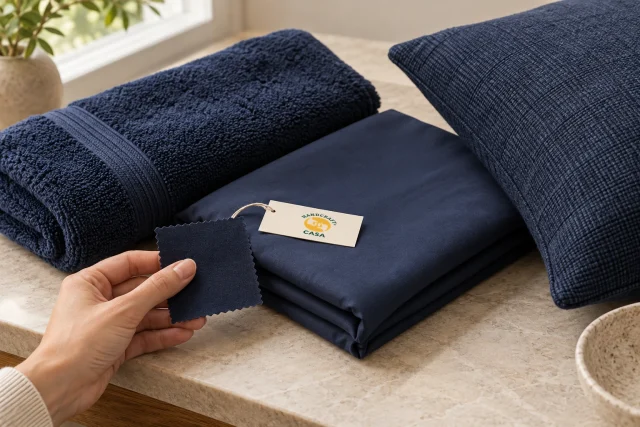
Home-textile wholesalers and established private-label brands can build a recognisable collection across bedding, table linen and cushion covers without making every item identical. Begin with the customer-facing relationship between products, then give each item a separate buying specification.
Choose what connects the collection
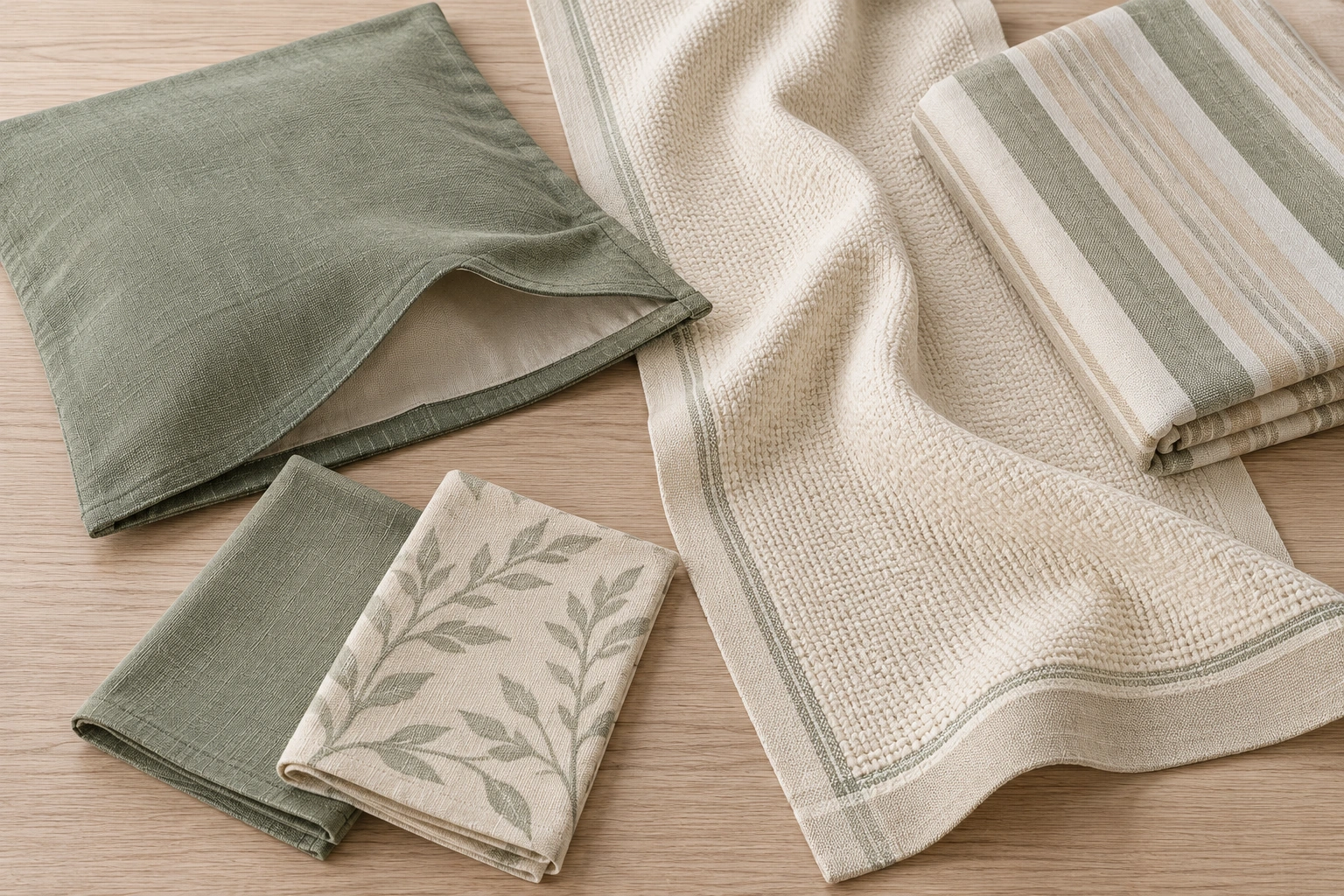
The connection might be a colour family, repeated detail, pattern scale or a balance between plain and textured items. Keep that idea simple enough to explain.
A wholesaler might carry one accent colour from cushion covers into table runners, while a private-label brand groups complementary colours across different constructions. These are design examples; the assortment should reflect the buyer’s own channel and customer knowledge.
Give every item its own specification
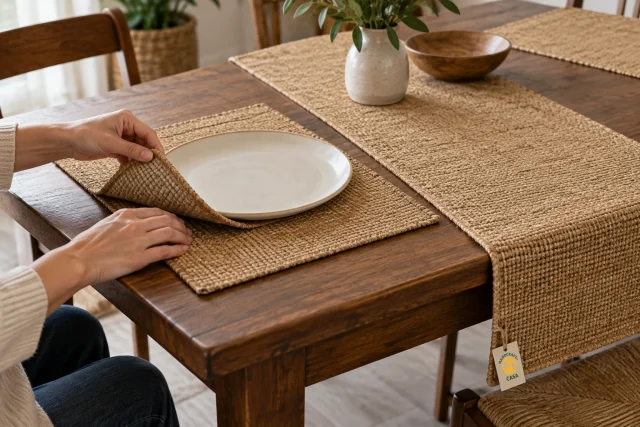
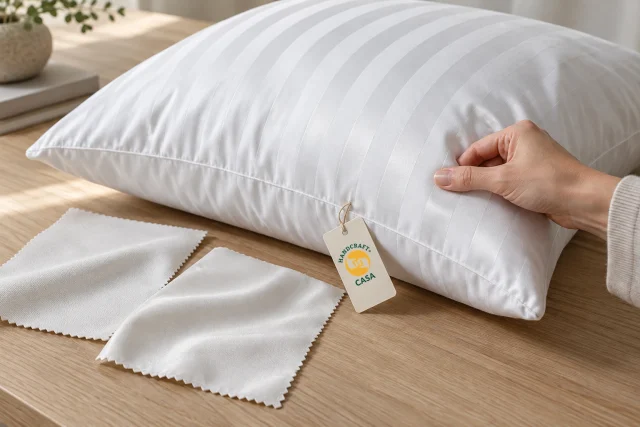
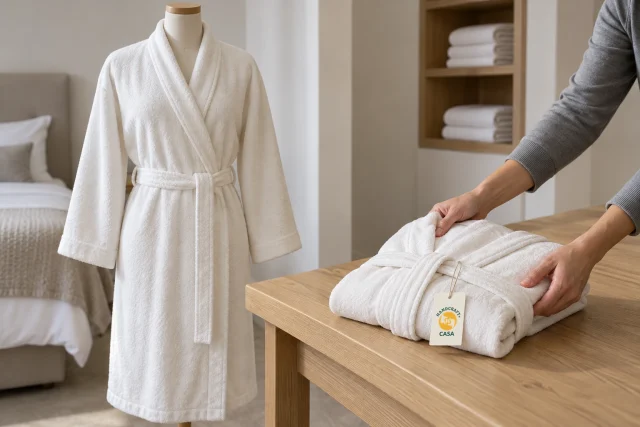
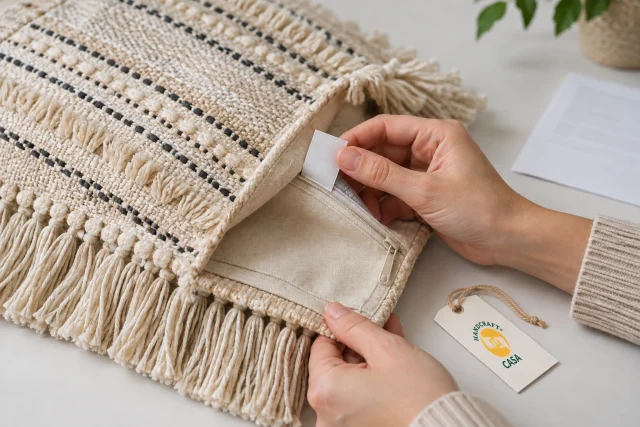
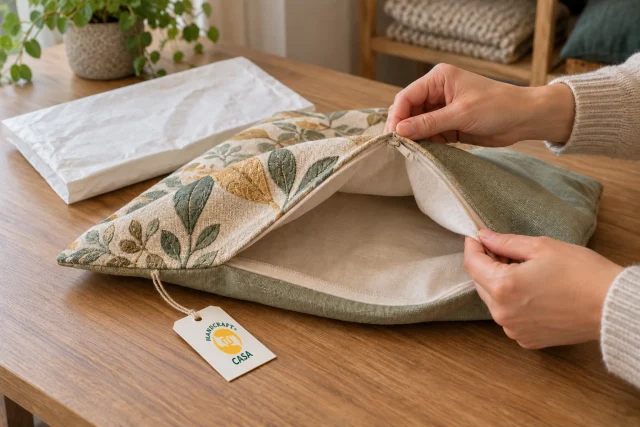
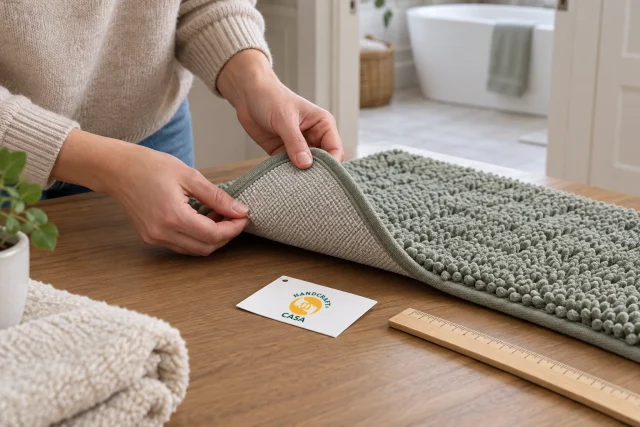
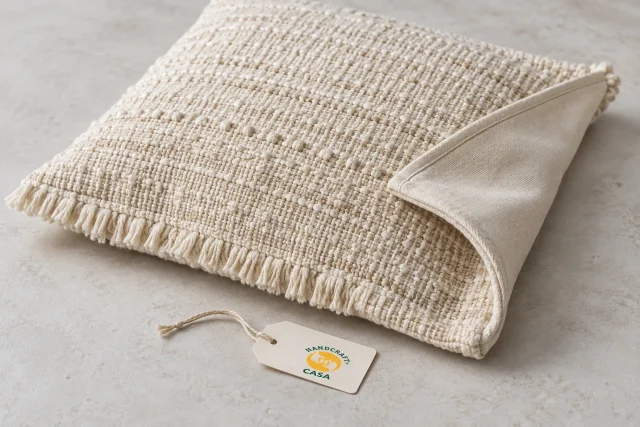
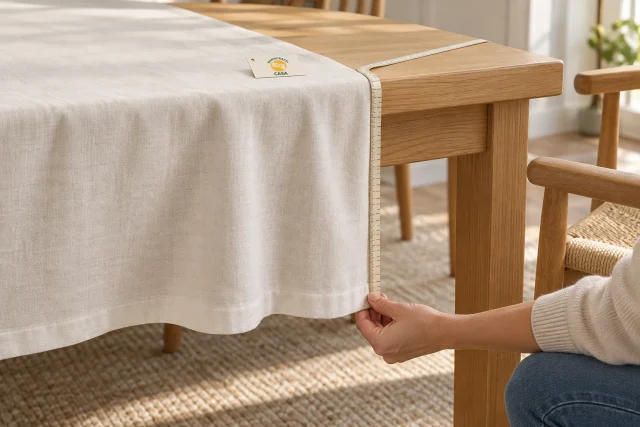
Bed linen needs the relevant dimensions and fit. Towels need their own size, construction and care review. Table linen needs coverage and setting requirements. Cushion covers need insert fit, closure and trim decisions.
Do not apply one care or performance description to the entire collection merely because the pieces look coordinated.
Review the products together
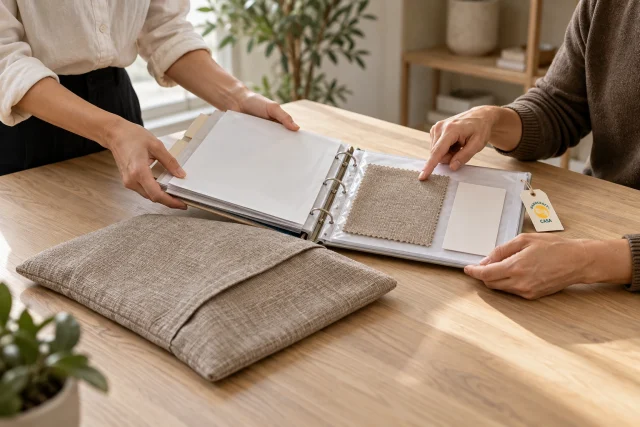
Compare physical samples where available. Look at them in the intended setting and under agreed lighting. Record which matches need to be close and which differences are intentional.
Check the practical relationship too. A decorative cover that needs a different care process should be identified clearly for the team handling it.
Decide what stays consistent on reorders
Record the visual references and the product-specific details that matter. If a colour or construction changes, review its effect on the collection rather than approving the item in isolation.
For retail ranges, keep the product descriptions precise enough that customers understand the differences. For hospitality, ensure operations knows which items are interchangeable and which belong to a particular setup.
Use a short collection brief
- The intended setting or customer
- The visual connection between items
- The separate specification for each product
- The accepted colour and construction differences
- The care and reorder information the team needs
Build an assortment schedule alongside the visual brief
List the product and variant references, initial quantities and any shared label or packing requirements. Separate confirmed first-order quantities from later forecasts. If an item changes during development, review the effect on neighbouring products and the approved collection reference before progressing.
Casa’s four ranges can be discussed as part of a business buying brief. Availability, specifications and any customisation are confirmed for the particular enquiry; a coordinated concept does not imply every requested option is automatically available.
Use the collection schedule when discussing private-label requirements with Casa, so product, presentation and quantity decisions can be assessed together.