Testing a Textile Trend in an Established Wholesale Range
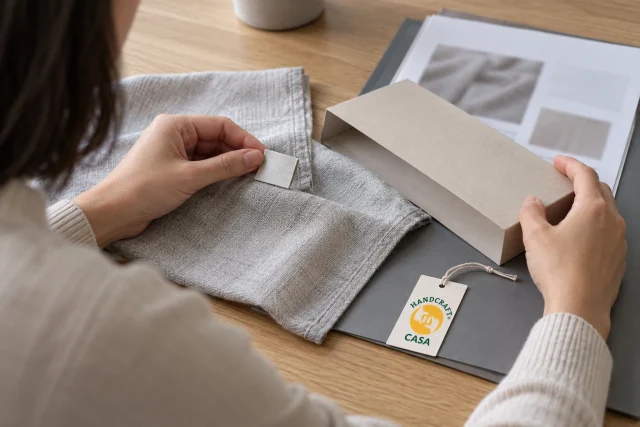
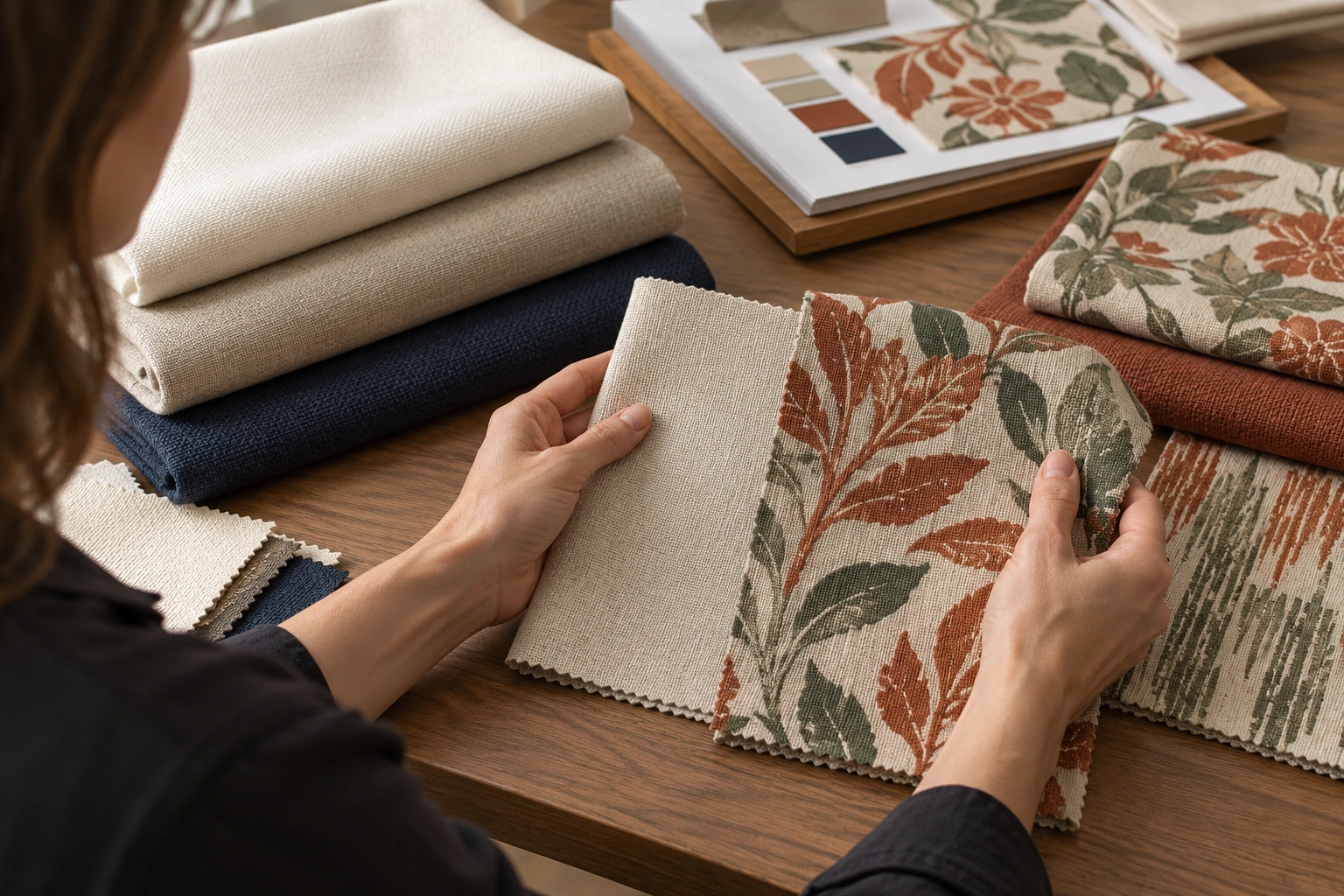
Illustrative image. Final specifications confirmed at quotation.
For an established textile wholesaler, a new colour or design needs a defined role beside the existing range. It may refresh a collection or address a buyer request, but the opening purchase still needs quantities, a review period and a decision about what would justify replenishment.
Use evidence from your own sales channels to plan the introduction. Keep confirmed customer orders, opening stock and possible future demand distinct.
Separate continuity from experiment
Identify the products that support your regular assortment and the items being introduced to test a new colour, texture or design direction.
Keep the intended role visible in the buying plan. An experimental item should not quietly become a permanent replenishment commitment.
Allocate the opening purchase by design and channel
Use your budget, storage, customer knowledge and sales expectations to propose an opening quantity. Record those assumptions and split quantities by design, colour and size. A forecast from your sales team is different from a confirmed customer order.
Ask the supplier about the actual quantities, timing and customisation options for the enquiry. Do not build a test around a minimum or reorder promise that has not been confirmed.
Decide what you will observe
Track item-level sales, customer reorders, questions, returns and availability by relevant sales channel during the review period. A product that was unavailable for much of the period should not be compared casually with one continuously in stock.
Keep customer feedback specific. A request for another size points to a different decision from a complaint about care information.
Define the next decision in advance
At the review point, choose whether to reorder, change an attribute, gather more information or discontinue the experiment. Use your own criteria and records.
A successful first order still needs a current quotation and a clear specification for the next one. Check whether colour references, construction or timing assumptions have changed.
Preserve what the test taught you
Write a short note identifying the item, original hypothesis, observed result and decision. That prevents the next seasonal range from starting again with the same unsupported assumptions.
Discuss your wholesale or established private-label collection with Casa using the proposed initial quantity split, selected references and timing. Keep possible replenishment volumes separate until your customer evidence supports a new order.
Use Casa’s cushion-cover collection to identify the product references relevant to your enquiry.