Natural Fibre Claims: What Home-Textile Wholesalers Should Verify
Illustrative image. Final specifications confirmed at quotation.
For home-textile importers and established brands, a natural-fibre claim may appear in a supplier quotation, product label and sales catalogue. Before passing it to your customers, separate verified material identity from finished-product performance and environmental evidence.
Use six checks to make that distinction clear in your buying brief.
-
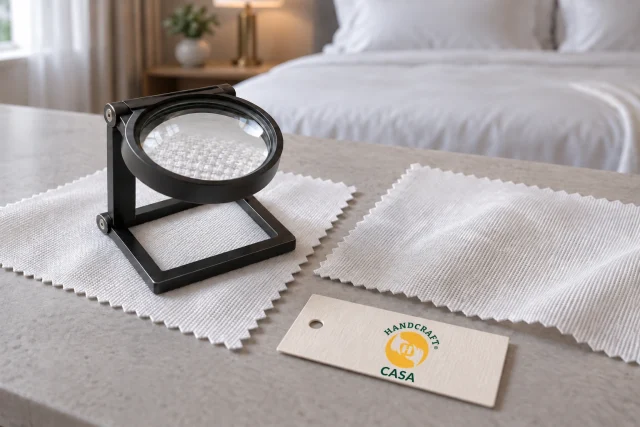
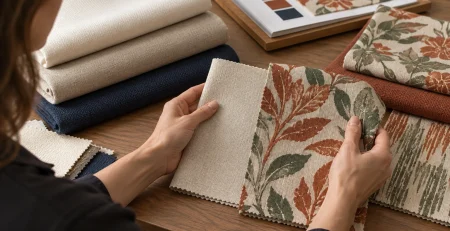
Identify the actual fibre composition Ask for the verified materials in the item being offered. Do not treat a natural-looking surface or a broad natural-fibre description as a complete composition statement.
-
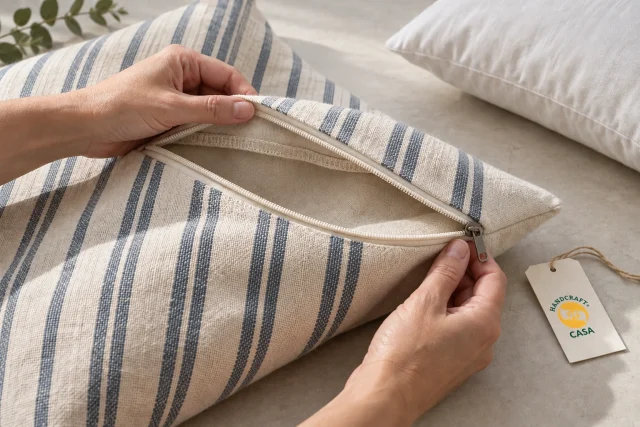
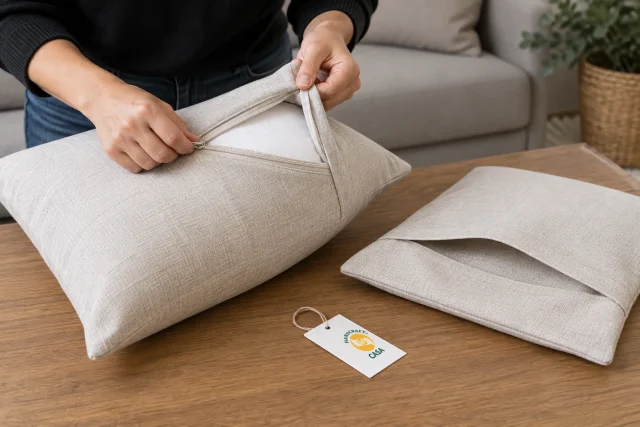
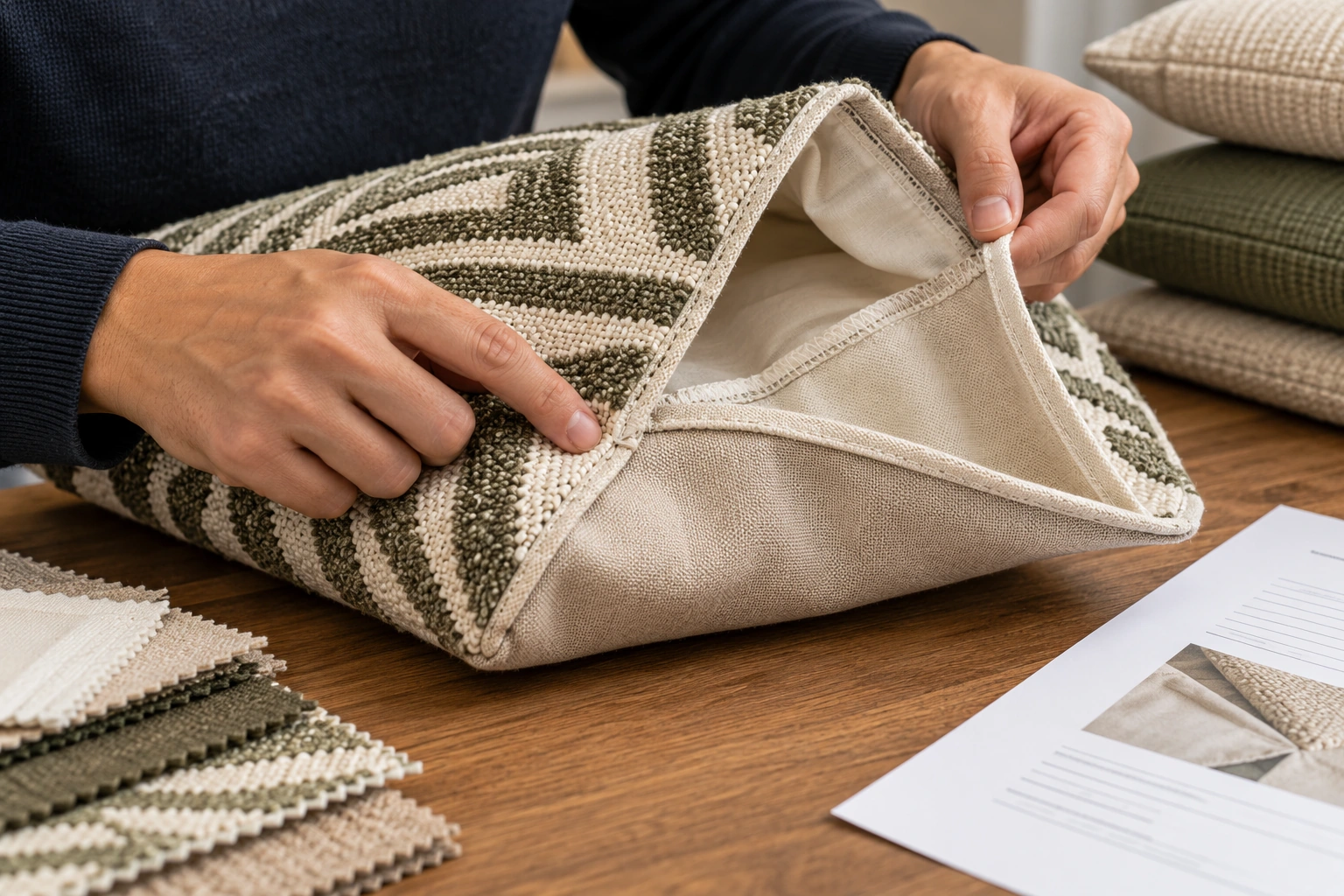
Check the complete product A face fabric may sit alongside a different reverse, backing, closure or decorative trim. Record which part of the item each statement describes. Cotton face fabric and the complete item is cotton do not communicate the same thing.
-
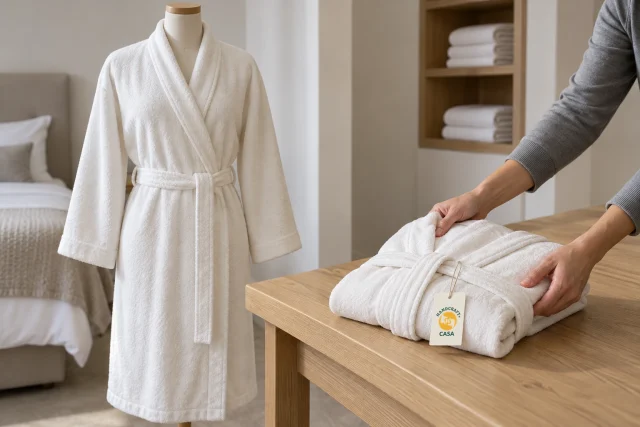
Define the product’s job A table runner, bath towel and decorative cushion cover have different uses. Specify the relevant dimensions, construction, care and performance questions for the item you are buying.
-
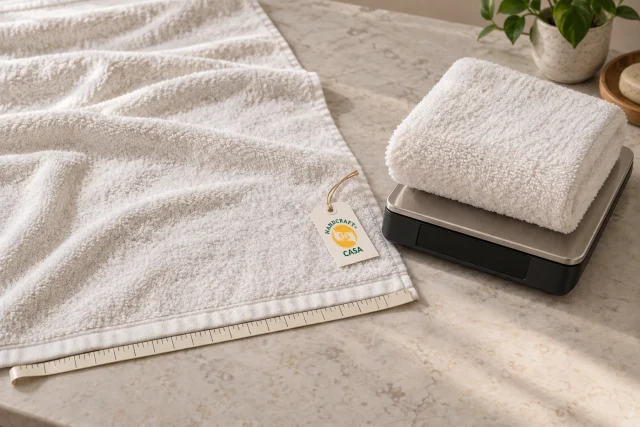
Request evidence for the required performance The origin of a fibre does not replace checking fit, absorbency where relevant, appearance after care or suitability for the setting. Ask what evidence answers the requirement for the finished product.
-
Identify the subject of an environmental claim Ask whether the claim concerns the fibre, finished product, production, packaging or end of use. Request the specific evidence and qualifications instead of relying on a broad description.
-
Keep the market and qualifications clear Broad descriptions such as green or eco-friendly can leave the claimed benefit unclear. Identify the specific attribute, its evidence and any qualifications. Have destination-specific marketing and labelling requirements reviewed before using a claim.
These checks leave room for a natural-fibre product to be a good choice without assuming that one attribute proves every benefit.
Keep the verified materials, intended-use requirements and claim-specific evidence together. Record unanswered questions rather than filling the gaps with attractive wording.
Carry the evidence through to your catalogue
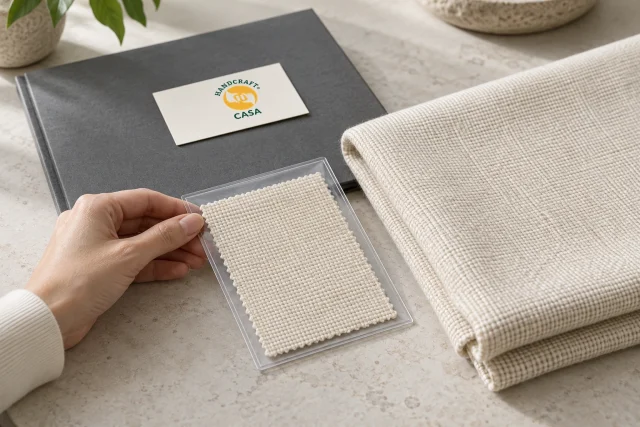
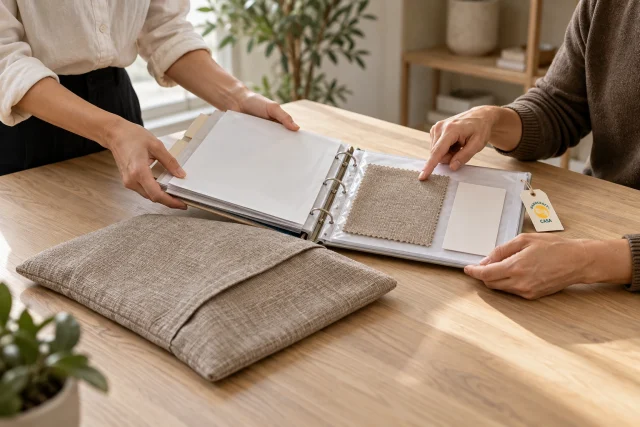
Keep the exact approved claim beside its product reference and supporting record. Check whether the statement covers the whole item or only one component, and preserve any necessary qualifications in information supplied to retailers. Revisit the wording if the material, construction or source evidence changes.
When discussing Casa products, identify the exact item and the information your buying team needs. Composition, care and any claimed attributes must be confirmed for that product.
Environmental-claims reference: FTC summary of the Green Guides.
For product-specific evidence questions, read Casa’s quality and performance guidance and identify the exact item and claim in your enquiry.