Reusable Table Linen: Comparing Costs Across Hospitality Operations
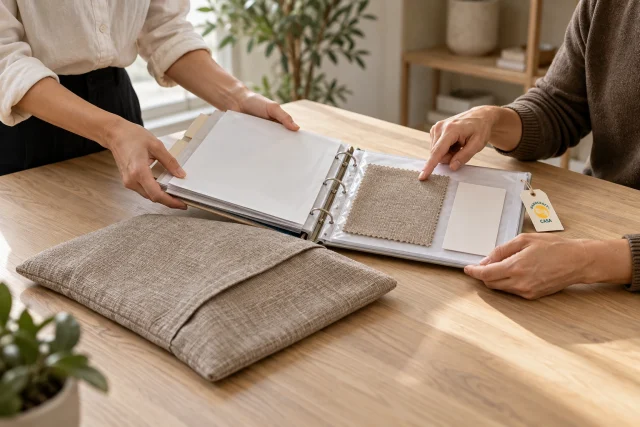
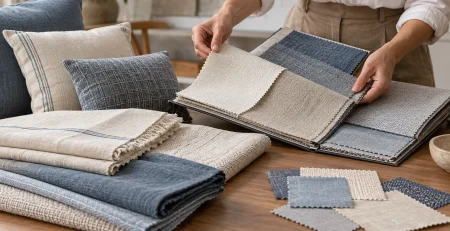
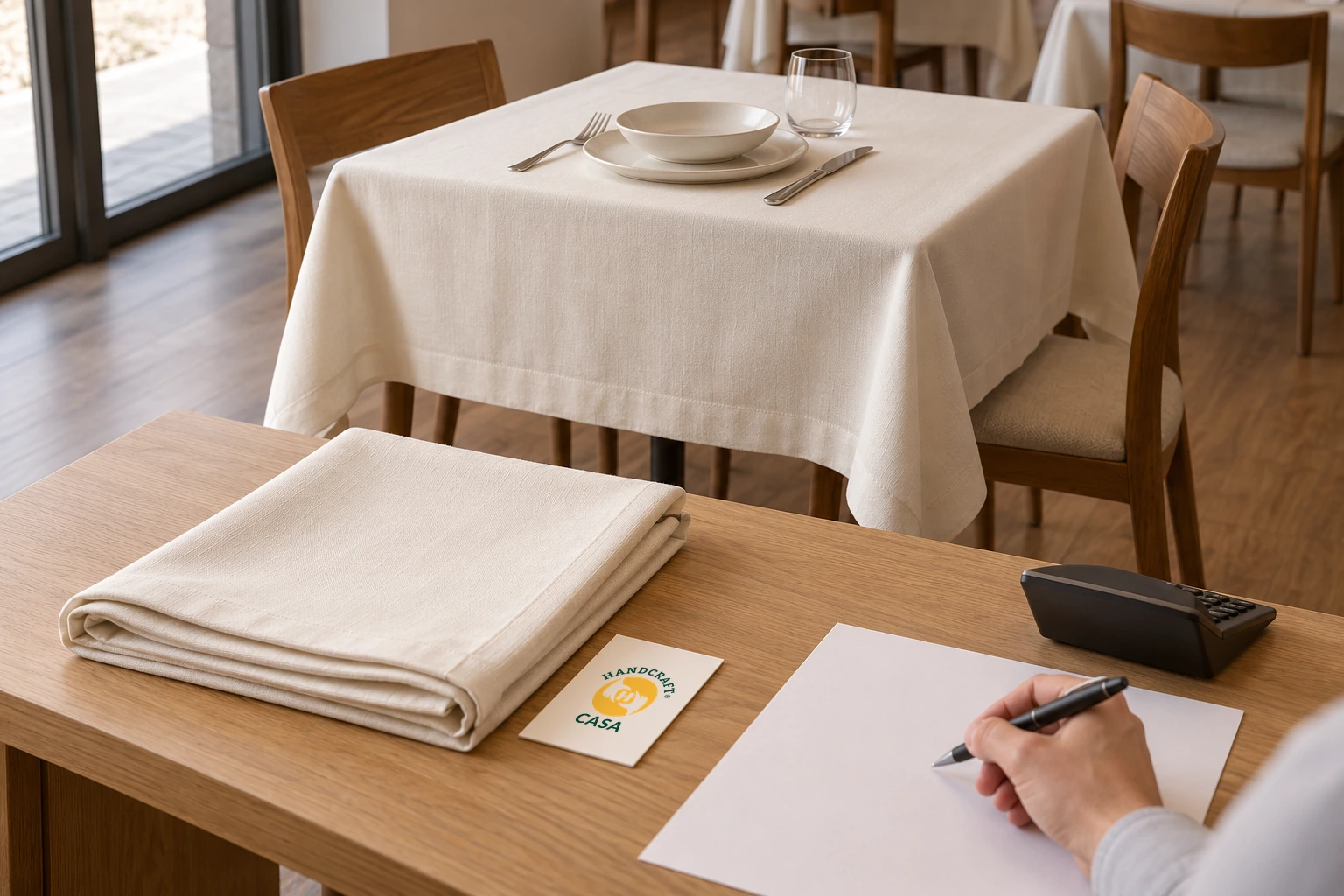
Illustrative image. Final specifications confirmed at quotation.
Central purchasing teams comparing reusable table linen across a hospitality group need more than unit prices. Define the service being provided, use a consistent cost basis and keep each property’s laundry and handling assumptions visible.
Use a simple model first. A precise-looking result based on guessed lifespan and laundry costs can be less useful than a transparent range of possibilities.
Define the unit you are comparing
You might compare the cost of supplying one tablecloth for one table service. Keep the definition consistent across options. A full-table cloth and a runner do not automatically provide the same service, so comparing them requires an explicit explanation of the different setup.
List costs without counting them twice
For a defined group of items and period, record acquisition cost, the relevant laundering and handling costs, and any repair costs you choose to include. Divide the total by the number of services that group actually provided.
If the items are still in service, label the result as cost per service to date. Their final lifetime result will change as further services and costs accumulate. Compare options on the same lifecycle basis.
Lost or early-retired items reduce the services obtained from the purchase. If their acquisition cost is already in the model, do not add that same purchase cost again as a separate loss charge.
A transparent hypothetical example
Suppose a group of tablecloths costs 12,000 currency units to acquire. Over the period being evaluated, recorded laundering and included handling costs total 8,000, and repairs total 1,000. If the group provides 1,000 defined table services, the included cost is 21 per service.
This example uses invented numbers to explain the calculation. It is not a Casa price, forecast or service-life claim. The result also excludes any cost not entered, such as storage or staff time if your laundry figure does not cover it.
For a new product, show the uncertainty
You cannot know its eventual service count before use. Test a lower, middle and higher scenario based on your own evidence and planning assumptions. Label them as scenarios.
If the preferred option changes when you alter one assumption slightly, that assumption deserves more attention before ordering. A sample trial or better operating data may be more useful than another decimal place in the calculation.
Review suitability alongside cost
Fit, appearance, care compatibility and the intended dining experience still matter. A low modelled cost is not enough if the textile does not meet the required use.
Compare properties on the same basis
Check that each property counts a service in the same way and includes the same cost categories. Record differences in service pattern, laundry arrangements and losses rather than attributing every cost difference to the linen. Use the results to refine the buying brief, while keeping product suitability and uncertain assumptions in view.
Keep the model with the product specification and update it when real service data becomes available. That gives the next buying decision a stronger basis than repeating an untested lifespan estimate.
When comparing table and kitchen linen for your group, retain the required size, service use and care conditions alongside the cost model.