Kitchen Aprons for Hospitality Supply: Choosing Bib, Waist or Cross Back
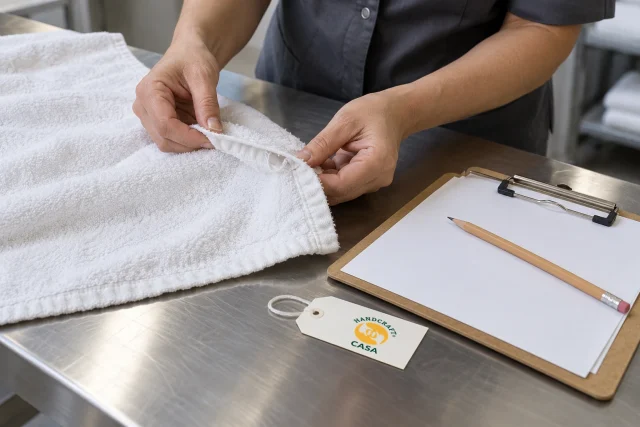
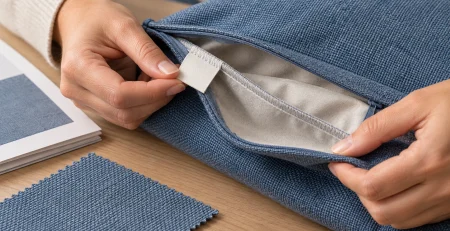
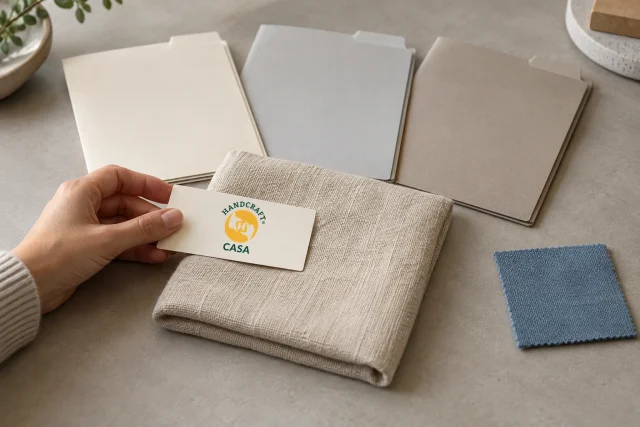
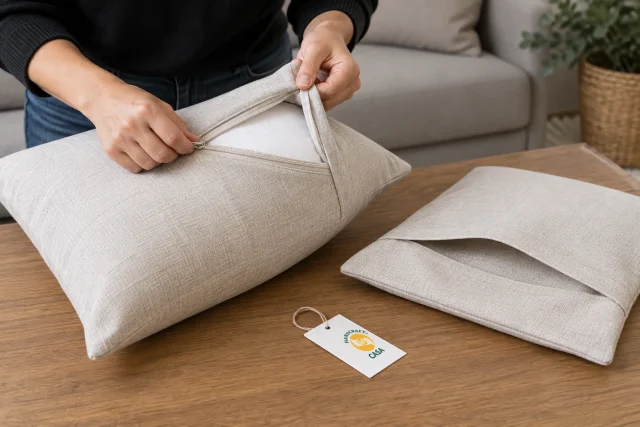
Illustrative image. Final specifications confirmed at quotation.
For a hospitality wholesaler or distributor, an apron range should help customers choose by staff role, required coverage and handling needs. Bib, waist and cross-back styles need a complete specification before they can be compared or included in a supply order.
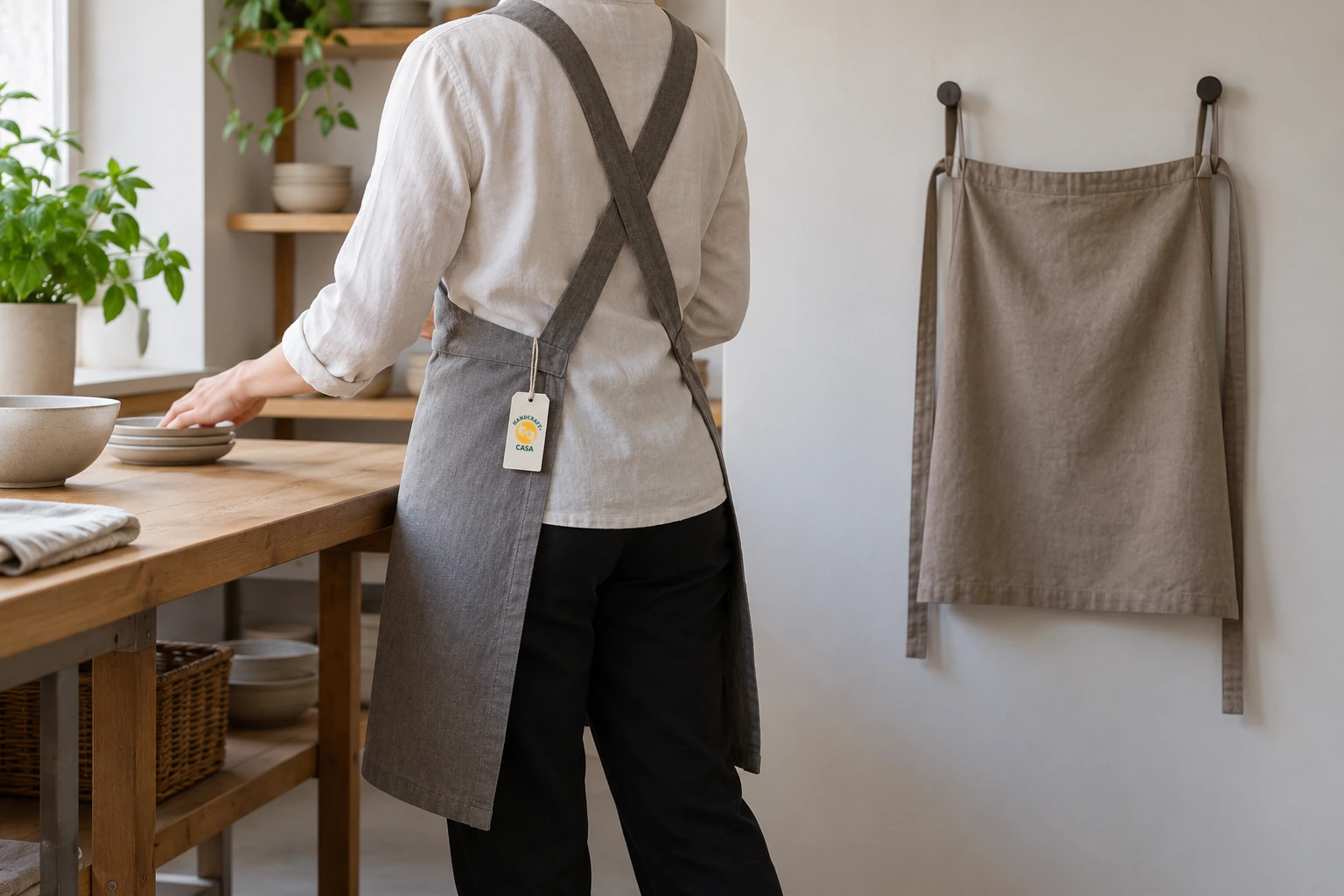
Bib, waist and cross-back descriptions point to different design choices. Exact dimensions, straps, pockets and materials still need checking on the selected item.
Bib aprons: check coverage and adjustment
A bib apron extends above the waist. Review where the upper section sits, the overall length and the way the straps adjust. Ask wearers to reach, bend and move through their usual tasks while assessing a sample.
Do not assume every bib style has the same neck adjustment or pocket arrangement. Put required features in the buying brief.
Waist aprons: check length and usable space
A waist apron begins at the waist, so it does not provide the same upper-body coverage. Consider whether that suits the role. Compare the length, tie arrangement and any pockets with the actual tasks staff perform.
If pockets are needed, check their position and usable dimensions. A pocket that looks substantial in a photograph may not suit the items the team intends to carry.
Cross-back styles: trial the strap arrangement
Cross-back describes how straps are arranged; it does not guarantee comfort for every wearer. Assess adjustment, fit and ease of putting the apron on and taking it off.
Include a representative range of wearers in the review. Record their feedback against specific details, such as strap position or available adjustment, so it can inform the specification.
Printed is a design choice, not a complete specification
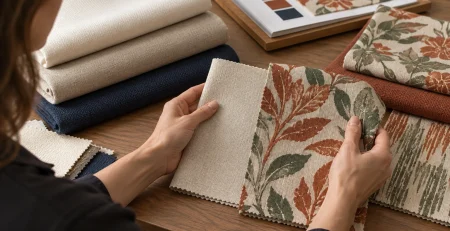
A printed apron still needs a defined shape, dimensions, construction and care requirements. Review pattern placement and branding separately from practical fit.
If the design needs to coordinate with table or kitchen linen, approve physical references where possible. Keep any colour-matching requirement explicit.
Run a short role-based sample review
- List the role and required coverage.
- Check fit, adjustment and movement.
- Review pockets and other specified features.
- Confirm care suitable for the complete item.
- Record dimensions and features for reorders.
Ordinary textile apron descriptions should not be read as a claim of protective equipment performance. If the role has a specific safety requirement, establish that requirement separately with the appropriate specialist.
Build a role-to-product schedule
Record the customer role, chosen sample reference, dimensions or fit requirements and initial quantity for each option. Keep branding requests separate from fit and care approval. For replenishment, use the same product reference and identify any change in the customer’s staffing or task requirements.
Casa’s kitchen-apron range includes different styles. Ask about the relevant item, quantities, dimensions and intended use so its specification can be discussed. Browse the kitchen-apron catalogue.