Thread Count in Hotel Sheets: What Hospitality Distributors Need to Compare
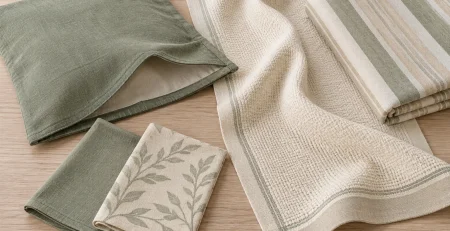
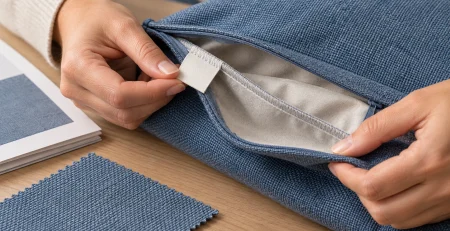
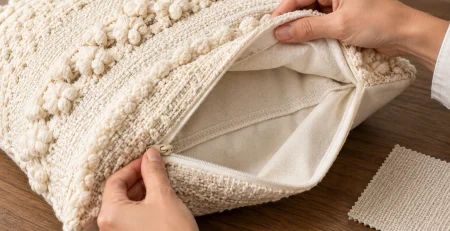
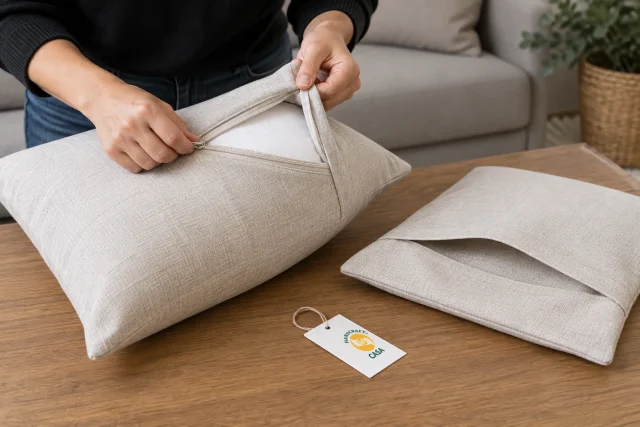
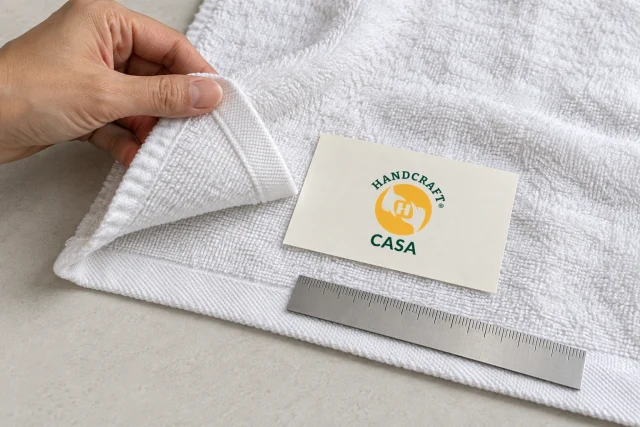
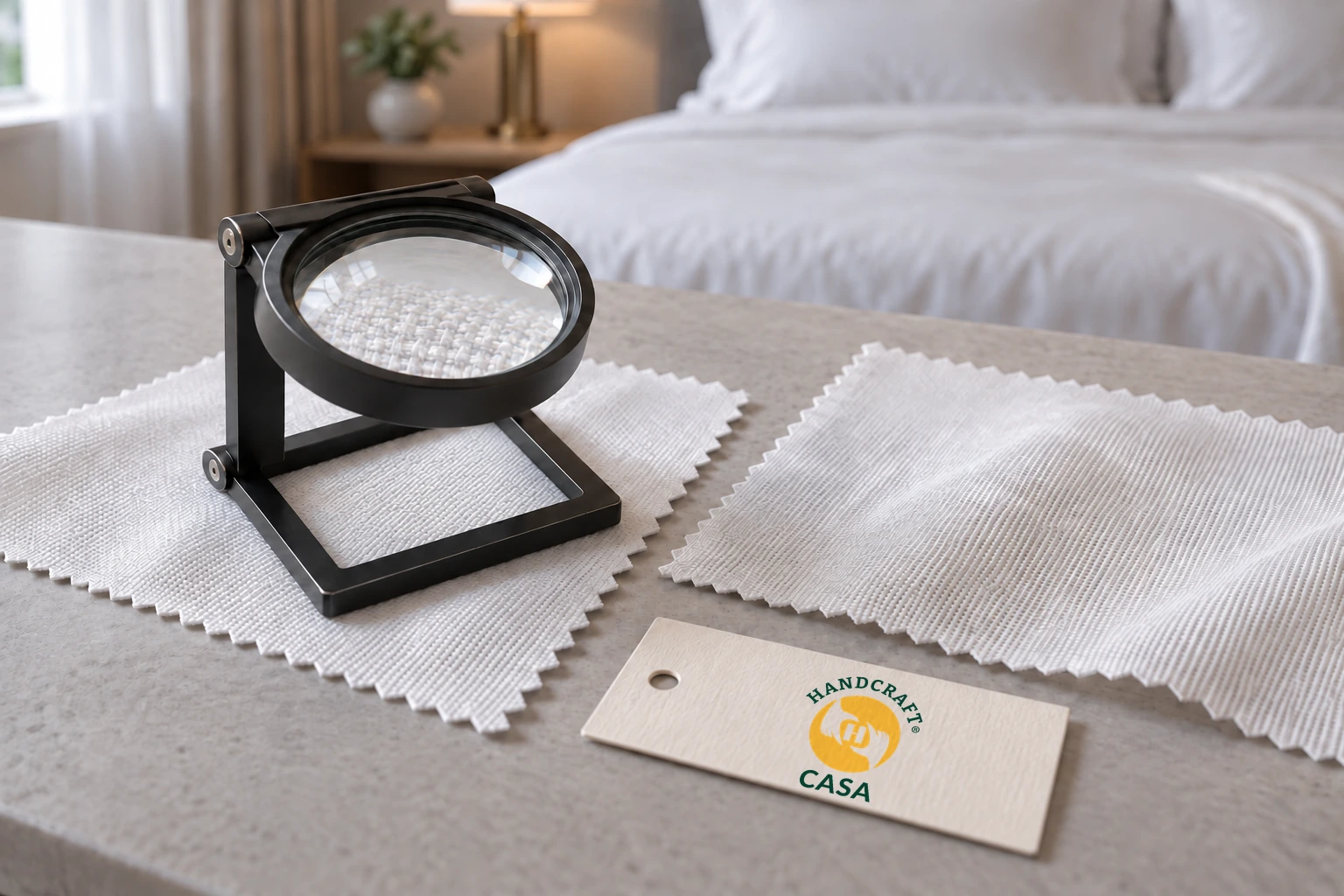
Illustrative image. Final specifications confirmed at quotation.
For a hotel-linen importer or distributor, two sheets with the same thread count may still suit different customer briefs. Compare the complete specification and intended use before deciding which item belongs in your range.
For woven sheeting, thread count is commonly expressed as the combined number of lengthwise and crosswise yarns per square inch. Confirm the counting basis and reporting units before comparing figures.
Cotton Incorporated’s sheeting guide identifies fibre, yarn, construction, fabric weight and finishing among the factors that influence the result. Thread count belongs in the specification, but it cannot do the whole buying job.
-
What exactly is being quoted? Ask the supplier to identify the sheet’s composition, weave, finished dimensions and stated thread count. Clarify the basis used for the count, including any relevant yarn-ply information, so two figures can be compared meaningfully. If the answer is only premium quality, the specification is still incomplete.
-
Are you comparing the same kind of sheet? Put both specifications side by side. A difference in fibre, weave, size or finish may explain a difference in appearance, feel or price. Do not attribute every difference to thread count. Use the sample reference when discussing the item; several constructions may share the same thread-count number.
-
How does the sheet work on the customer’s bed? Fit it to the intended mattress and topper. Check coverage, corners or tuck, and the presentation the customer requires. Ask housekeeping to make up the bed using the sample. This can reveal a sizing or handling issue that a specification number cannot answer.
-
What needs to be checked after laundering? Agree care compatibility before running a trial. Record dimensions and appearance, then assess the product after the agreed process. If a formal performance requirement matters, define it and ask for relevant evidence rather than relying on an unsupported hotel-grade description.
-
Can the approved choice be described clearly enough to reorder? Keep the full specification, sample reference and acceptance decisions together. Your repeat order should identify the whole product, not merely its thread count.
Turn those five questions into two practical follow-up steps before deciding.
-
Collect the unresolved answers Bring both specifications and the sample references to the supplier discussion. Record what is confirmed and which points still need clarification. Do not treat a blank field as a promise.
-
Keep the decision with the specification Record the selected item and the reasons it meets the brief. Retain relevant fit and care observations with the approval so the next buyer can understand the choice.
Explain the choice to the customer
Keep the reason for stocking each sheet tied to confirmed attributes and the customer requirement it addresses. If two constructions share a thread-count figure, give them distinct product references. Record any property-specific fit or care evaluation so your sales team does not turn one customer’s approval into a claim about every use.
Casa’s quality and performance guidance provides the starting point for discussing product-specific requirements.
Technical background: Cotton Incorporated’s sheet-buying guide.