Repair or Replace? A Linen Decision Across Multiple Properties
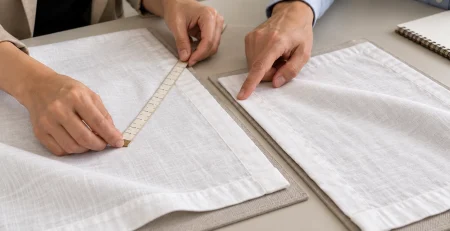
Illustrative image. Final specifications confirmed at quotation.
Central purchasing teams need a consistent view of usable linen across their properties. If one site counts an item awaiting repair as available while another removes it from stock, the combined replacement requirement will be unreliable.
Agree how property teams record condition and who can accept a repaired or reassigned item. Keep operational suitability decisions separate from the purchase quantity they eventually produce.
Identify why it was removed
Record the property, product reference, condition and specific concern: damage, fit, appearance, an unresolved care issue or another reason. Keep items awaiting a decision separate from ready-to-use stock.
If safety, hygiene or another specialist requirement is involved, use the appropriate competent review. This general buying article does not establish that a damaged item is safe to reuse.
Consider repair only against a clear requirement
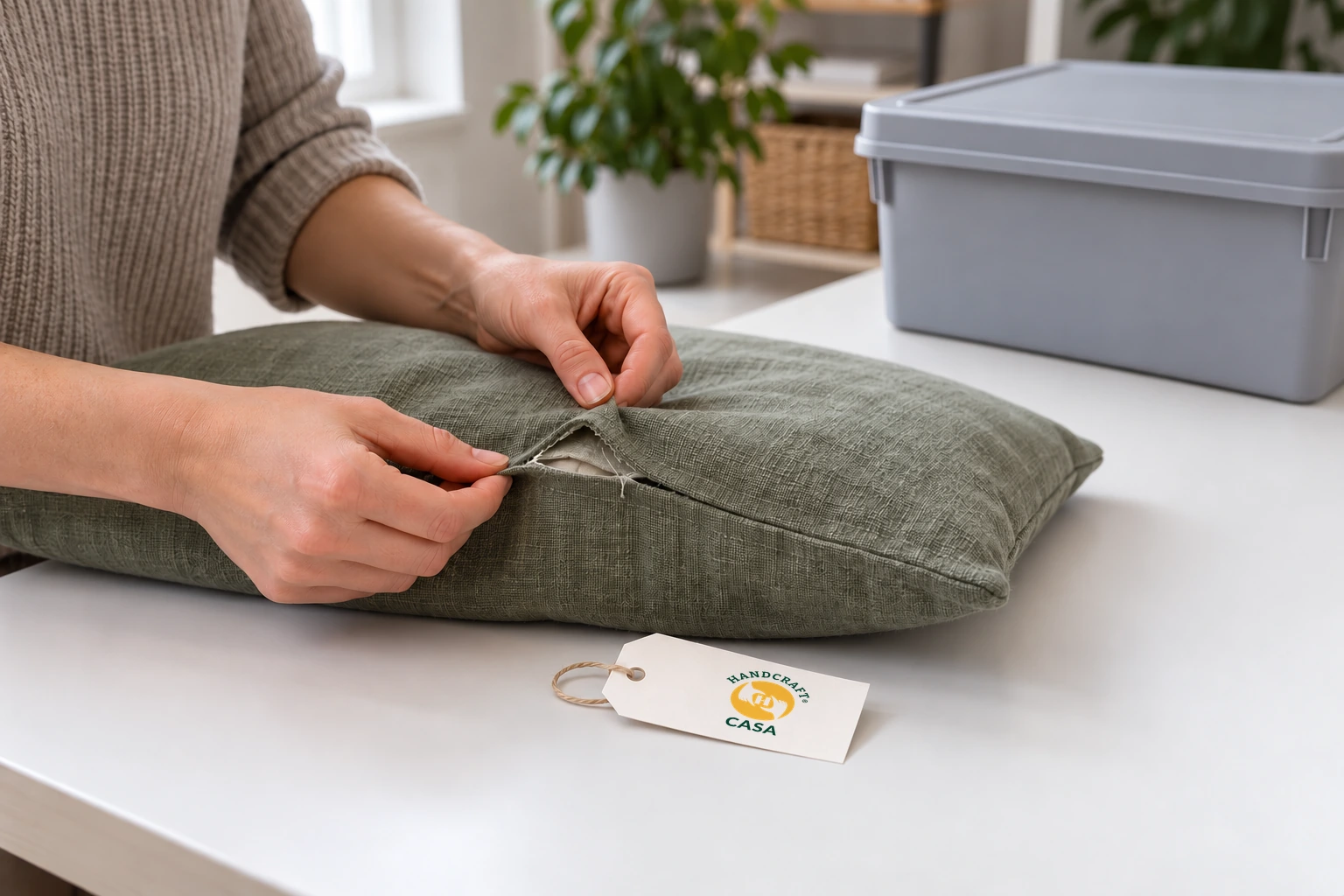
Ask whether a proposed repair can restore the item to an acceptable condition for its intended use. Consider the practical work, cost and how the repaired result will be checked.
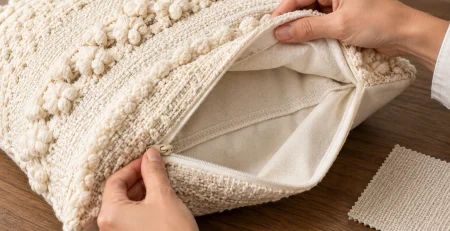
Do not assume every seam, closure, backing or decorative component can be repaired appropriately. Record the decision for the actual item.
Reassignment creates a new suitability question
An item unsuitable for one purpose is not automatically suitable for another. Define the proposed new use and check it on its own terms.
A change in label or storage location does not resolve a care, safety or performance concern. If suitability is uncertain, retain the hold rather than treating reassignment as the default.
Replace when the requirement cannot be met
Use the removal record to inform the replacement brief. If a pattern is emerging, discuss the underlying cause with the relevant supplier, laundry or operations team before repeating the same order unchanged.
Do not attribute the cause to the textile alone without evidence.
Update the property and central stock records
Record the outcome: repaired and accepted, reassigned to a confirmed use, replaced, or awaiting further assessment. Update both the property’s usable-stock count and the central replacement plan. A transfer to another property should be recorded as an allocation with an agreed destination.
The purpose is a traceable decision about condition and use. Any claimed waste or cost reduction needs its own measurement rather than being assumed from the decision to retain an item.
Use Casa’s bed-linen range to identify the product references relevant to your enquiry.