Printed Home Textiles: Approvals for Wholesale and Private-Label Collections
Illustrative image. Final specifications confirmed at quotation.
For a wholesale or private-label collection, approving the print artwork is only one part of the decision. Each cushion cover, duvet cover or apron also needs a defined pattern scale, placement, underlying textile and finished-product reference.
Separate artwork approval from finished-product approval so neither is mistaken for the other.
Check scale on the actual product
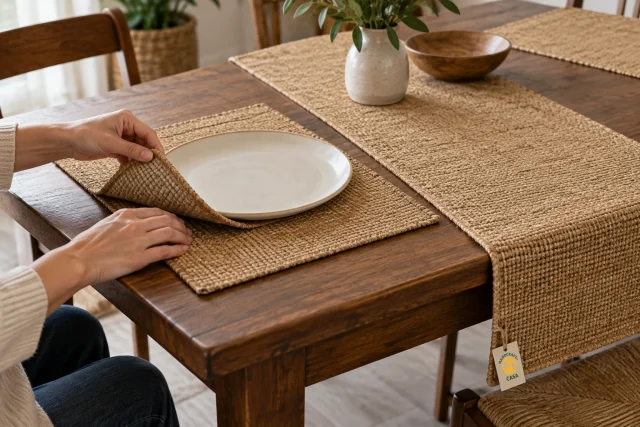
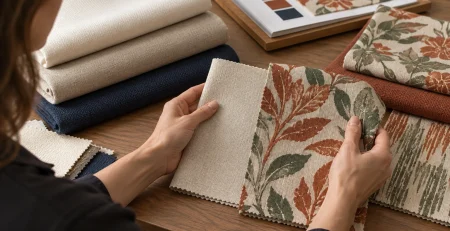
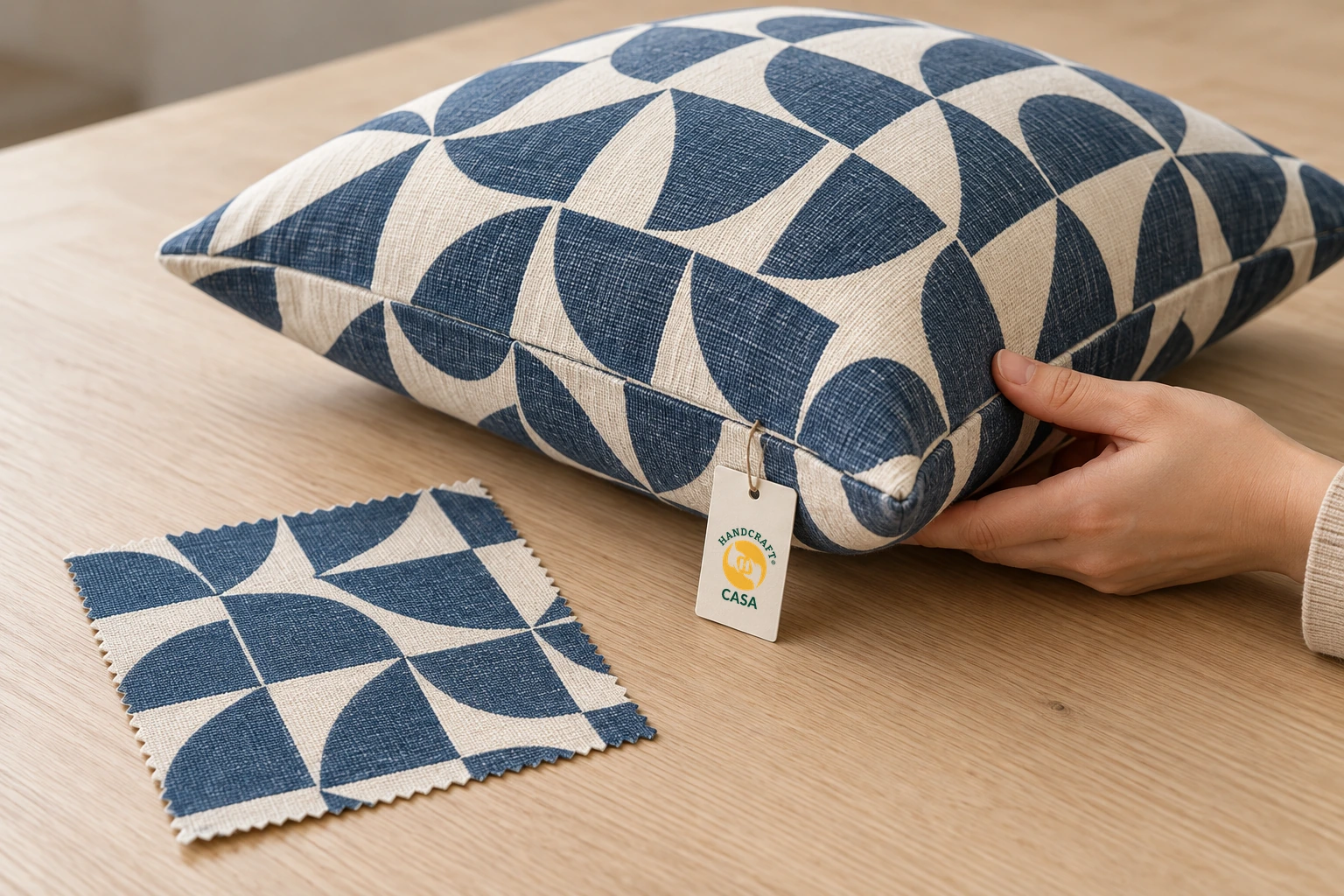
Record the intended size of the repeat or individual design element. Review how much of the pattern will be visible on the finished item, including when it is folded, fitted or worn.
A small swatch may show colour and detail but hide the effect of a large repeat. Ask what sample or proof can answer the specific question you need to resolve.
Decide whether placement is controlled
Some designs require a motif to sit in a particular position; others use an all-over pattern without identical placement on every item. State the requirement clearly and confirm feasibility.
Do not approve a sample with a centred motif and silently assume every production item will be identical unless that placement is part of the agreement.
Inspect the whole item
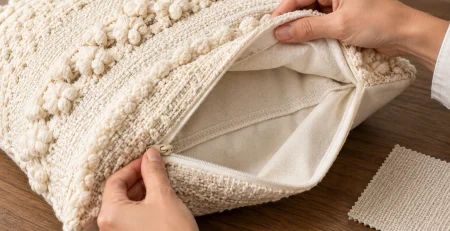
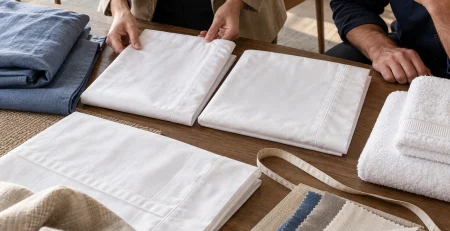
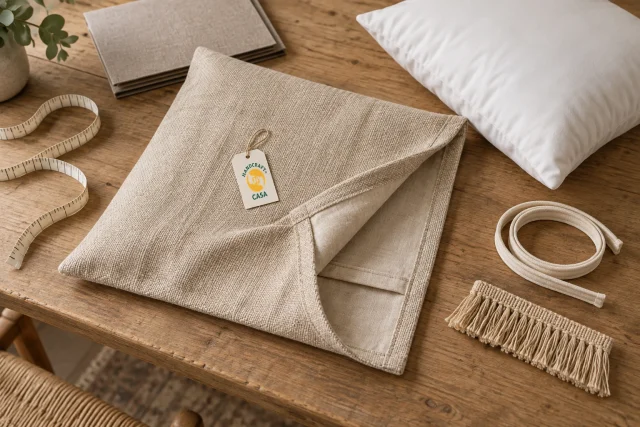
Look at seams, corners, closures and the reverse. Check whether a pattern is interrupted in a way that matters to the design. Confirm whether the reverse is printed, plain or made from a different fabric.
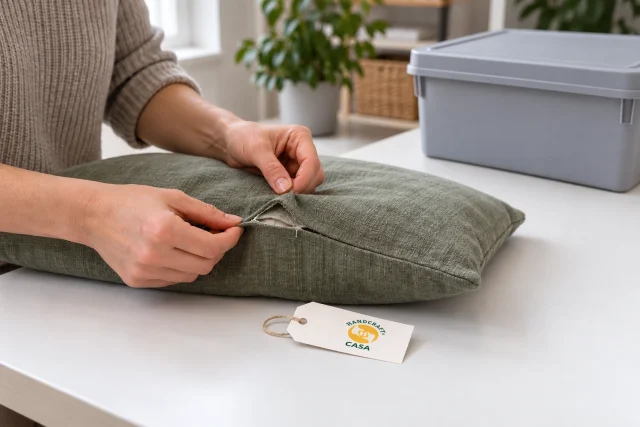
For a duvet cover, assess it on the intended bedding. For an apron, see how the design sits when worn. For a cushion cover, fit the intended insert.
Use a clear colour reference
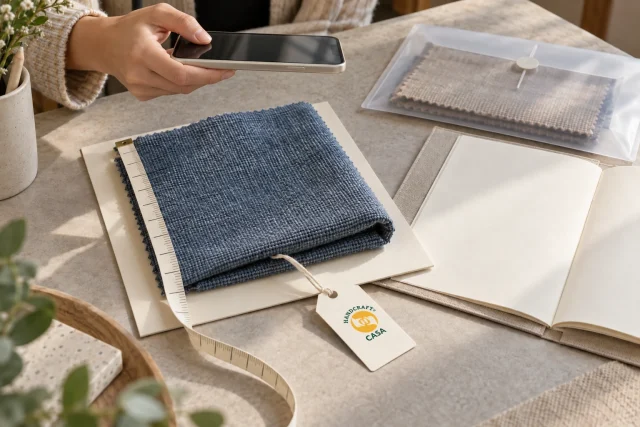
Agree what will serve as the approval reference and under which viewing conditions the sample will be assessed. A screen image can help communicate an idea but should not become an undefined promise of exact physical colour.
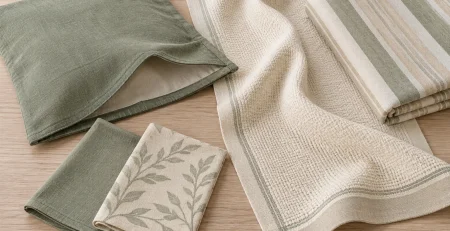
If several products must coordinate, review them together. Keep accepted differences visible rather than hiding them behind one shared colour name.
Define relevant care and performance questions
Ask which care process is suitable and what evidence supports the required appearance after care. Where colour change or transfer matters, discuss appropriate testing and acceptance criteria for the selected item.
AATCC’s method catalogue treats colourfastness and other textile properties as separate testing questions. It does not establish that a specific Casa print has been tested or passed.
Keep artwork and variant quantities connected
List which product, size and colour references use each artwork version, with initial quantities by variant. Where a design crosses several product types, review its scale and placement on each one. Keep the signed-off reference available for repeat enquiries, and flag any proposed change before assuming the earlier approval still applies.
Your approval record should identify the artwork version, product specification, scale, placement, colour reference and any outstanding checks. For Casa, printing or other customisation options must be confirmed for the product and order. Discuss private-label requirements with that brief in hand.
Technical reference: AATCC test-method catalogue.