Reusable Textiles: Supporting Sustainability Claims in Trade Sales
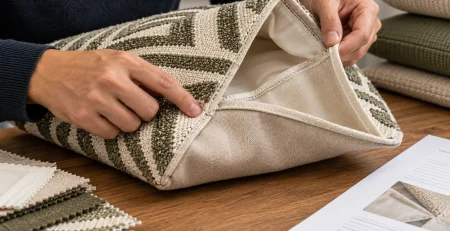
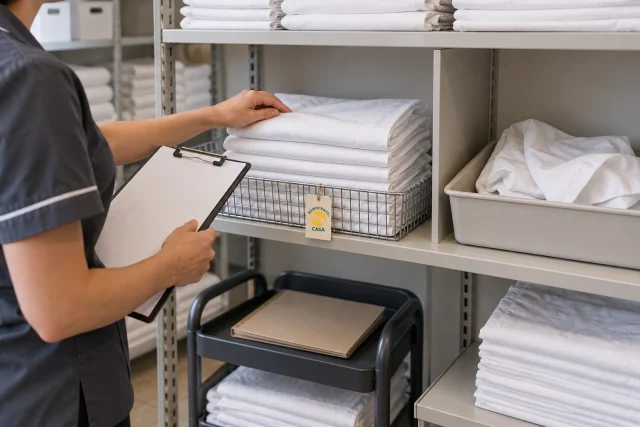
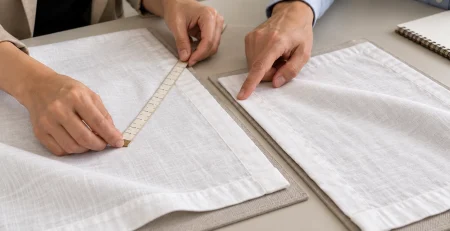
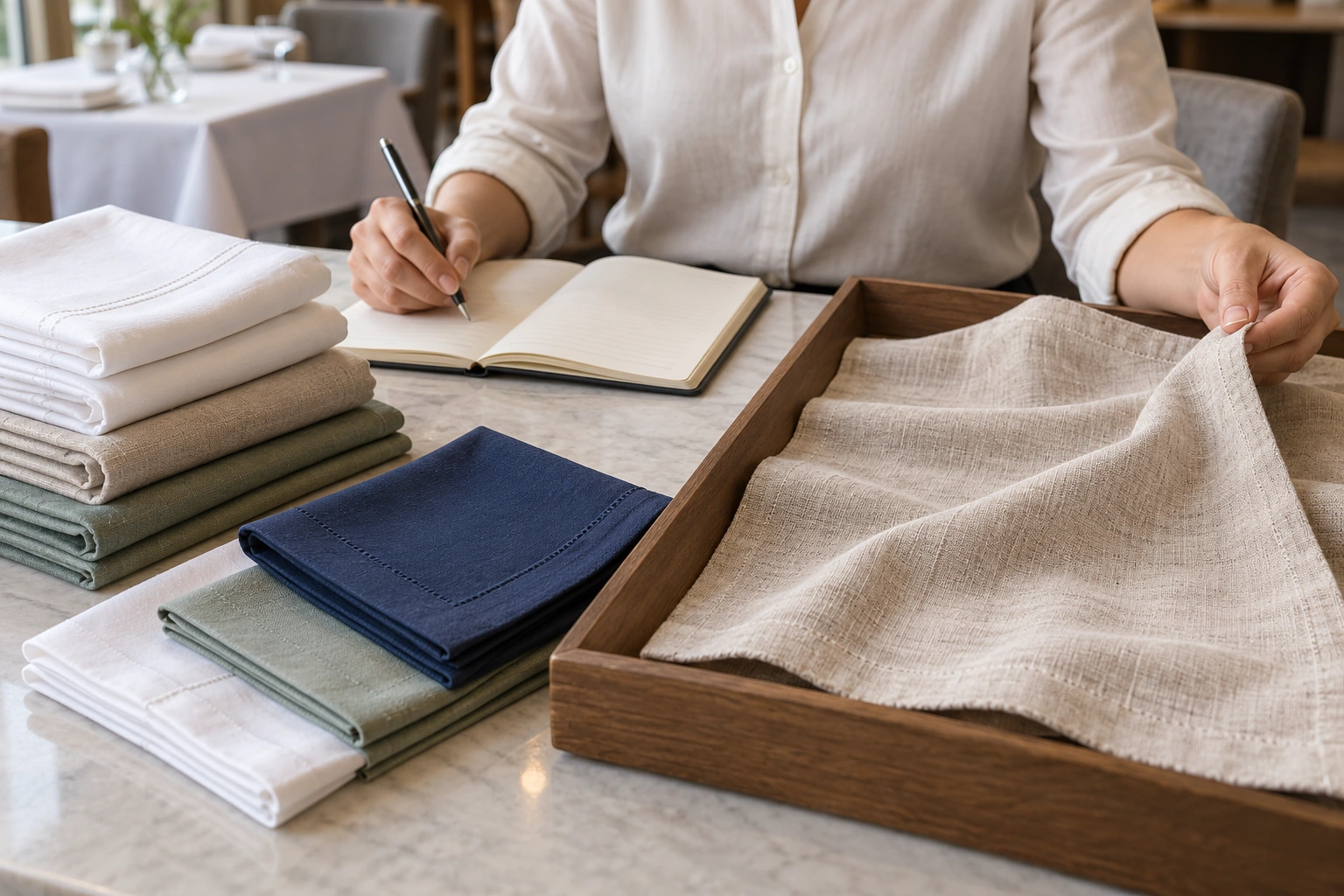
Illustrative image. Final specifications confirmed at quotation.
Hospitality linen distributors may be asked how reusable textiles support a customer’s sustainability goals. Start with the specific service being changed and the evidence available; a general sustainability promise cannot establish the outcome for every customer or property.
Begin with one defined service or practice, then compare the alternatives on a consistent basis.
Describe the current service
Record what is being used, how often, in what quantities and for which purpose. Include the practical requirements the replacement must meet.
For example, a table-setting trial needs a clear definition of one service. Comparing different levels of coverage or presentation without explaining the difference can distort the conclusion.
Plan the reusable option as an operation
List the purchase, collection, laundering, storage and replacement steps relevant to the proposal. Identify who will perform them and what information is still missing.
Check product suitability and compatible care before starting. A textile cannot be assumed to fit a process merely because it is intended for repeated use.
Measure a small, defined trial
Choose a representative setting and record the period and conditions. Track the number of services, textile movements, relevant costs, losses and reasons items leave use.
If you want to make a claim about water, energy, waste or another environmental outcome, gather evidence appropriate to that claim and define the comparison boundary. Purchase counts alone do not establish every environmental effect.
Report the result narrowly
A useful internal statement identifies what was measured, where and over what period. State important exclusions and uncertainties.
Avoid extending the result to all properties or all textile choices without evidence. Keep environmental claims specific, supported and clear about what was measured. Have marketing requirements for the intended destination reviewed before publication.
Decide what the trial changes
The outcome might support a wider rollout, a revised specification, a different care arrangement or further investigation. Record the decision and the evidence behind it.
Pass on the result with its limits
Keep the product reference, measured setting, time period and comparison boundary with any statement you share. Separate the customer’s trial findings from supplier product facts. Before reusing the claim in a catalogue or proposal, check that the wording still matches the evidence and obtain appropriate review for its intended destination.
A reusable-textile programme should earn its claims from the actual product and operation. That makes the learning useful even if the first trial reveals a problem to solve.
Environmental-claims reference: FTC environmental-claims guidance.
Read Casa’s product quality and performance guidance to frame the separate evidence questions behind your supply requirement.